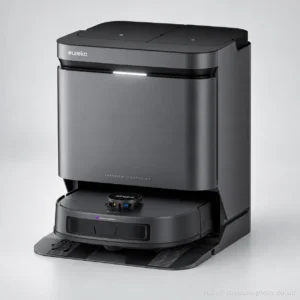
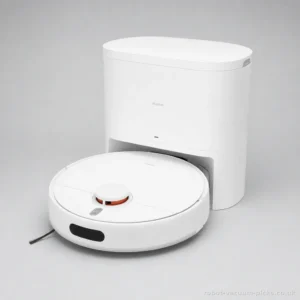
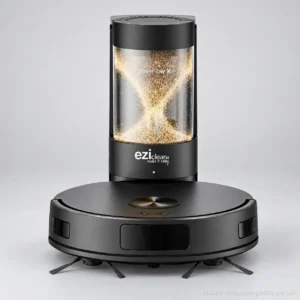
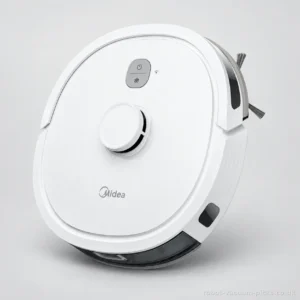
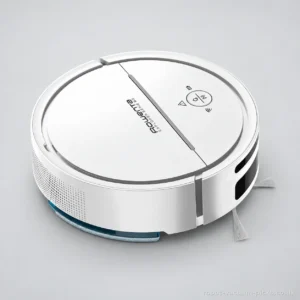
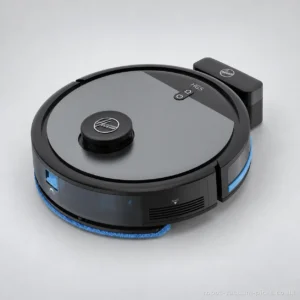
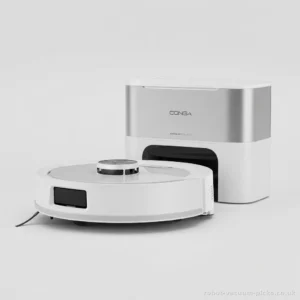
Cecotec Conga Y60 Pearl
Top-ranked for dustbin capacity.
View analysis Our rankingsThe best robot vacuum cleaners46 robot vacuum cleaners
By function
By use
By station
Features and options
Guides to help you choose
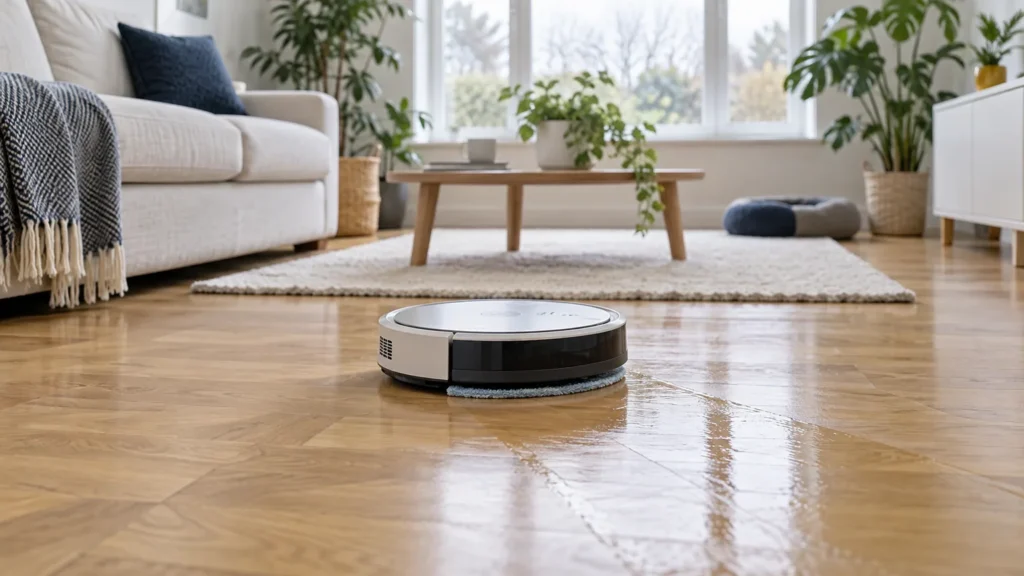
This guide compares robot vacuum and mop cleaners available in 2026, using 6 selection criteria, with an annotated selection and a buying guide to help you choose.
Prices recorded from retailers are indicative: they may have changed since. The current price is the one shown by the retailer. No price is shown for models sold only on Amazon. Amounts converted from reference prices in euros using an exchange rate from a specified date.
Top-ranked for dustbin capacity.
View analysis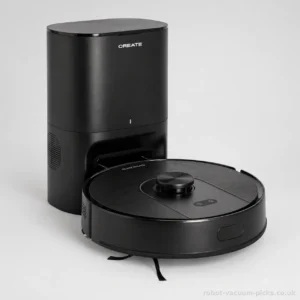
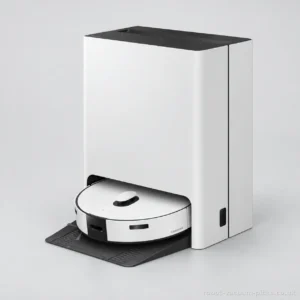
Top-ranked for charging time.
View analysis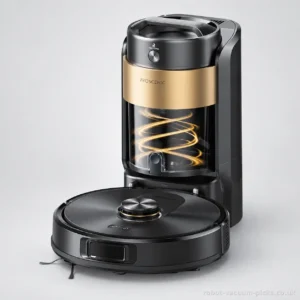
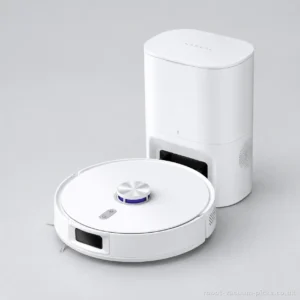
Top-ranked for suction power.
View analysis| Rankings | Score | Price | Max coverage | Dustbin capacity | Noise level | Charging time | Battery life | Suction power |
|---|---|---|---|---|---|---|---|---|
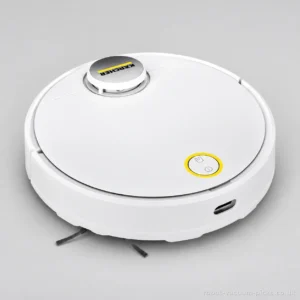
| 1. Cecotec Conga Y60 Pearl | 8.5/10 | n/a | 200 m² | 350 mL | n/a | n/a | 200 min | n/a |
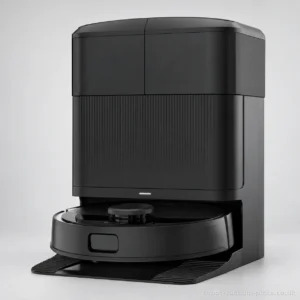
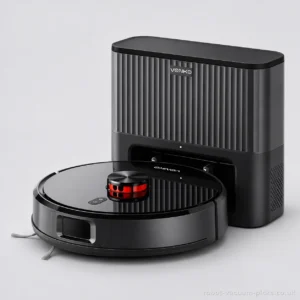
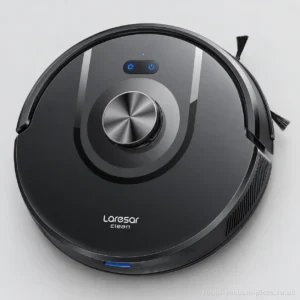
| 2. CREATE NETBOT LS80 | 7.9/10 | £142 | 160 m² | 250 mL | n/a | 5 h | 160 min | 8000 Pa |
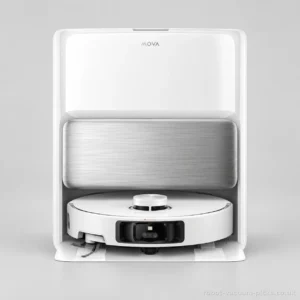
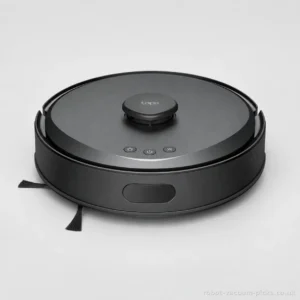
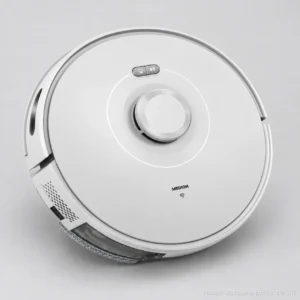
| 3. Proscenic Q20 Plus | 9/10 | n/a | n/a | n/a | n/a | n/a | 200 min | 10000 Pa |
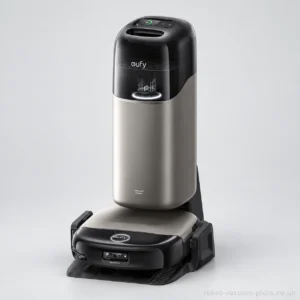
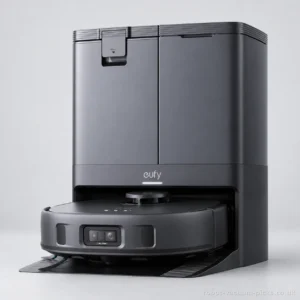
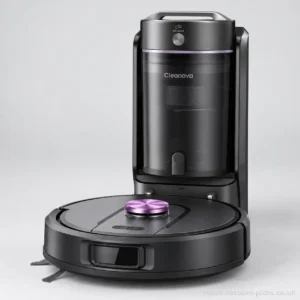
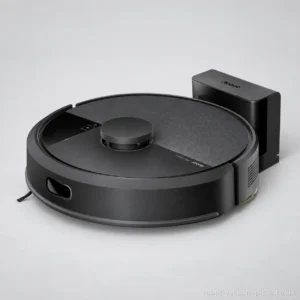
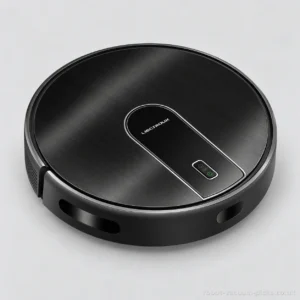
| 4. Eufy X10 Pro Omni | 8.8/10 | £390 | n/a | 330 mL | n/a | n/a | 210 min | 8000 Pa |
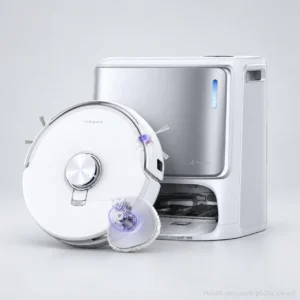
| 5. Narwal Freo Z10 Ultra | 8.8/10 | £509 | 300 m² | n/a | n/a | n/a | 150 min | n/a |
Rankings are based on our analysis scores, calculated from manufacturer specifications compared across the full catalogue.Our methodology.
A robot vacuum and mop is not a motorised mop. That is the first misconception to clear up. The built-in mopping function provides light daily maintenance for hard floors: removing footprints, small dried stains and fine dust stuck to tiles. It does not provide deep cleaning. Dried sauce stains or ingrained limescale will resist most robotic mops that apply too little pressure to the floor.
This type of appliance sits between a conventional robot vacuum and a manual mop: it automates the regular upkeep that gets put off every evening. For occasional intensive cleaning, manual mopping remains essential. Understanding this limitation helps avoid disappointment.
A robot vacuum and mop is most useful in specific settings:
However, this type of appliance is less suitable for homes with mostly carpet or very uneven surfaces: the mop quickly becomes dirty, and the mopping function loses its purpose. In these cases, a robot vacuum without a station will be more than sufficient and cost less.
Robot vacuums and mops do not all work in the same way. There are 2 main modes on the market:
For a household with children or pets, sequential mode is generally more effective. For quick daily upkeep, simultaneous mode is more than sufficient.
The term "robot vacuum and mop" covers very different capabilities depending on market positioning. Analysis of the available specifications reveals 4 distinct levels of mopping:
The pressure applied to the floor is the key variable that specifications do not always disclose. Aggregated feedback consistently points to the same conclusion: below vibrating mop technology, the mopping function remains largely token.
These 4 factors, actual usage, household profile, mopping method, mop technology, guide our selection. They will help you assess each selected model from a technical perspective rather than a marketing perspective.
Choosing a robot vacuum and mop is different from choosing a conventional vacuum cleaner. Mopping adds decisive factors that neither power nor brand alone can account for. Here are the 6 criteria that help you decide.
A robot's suction power is measured in pascals (Pa), not watts. Pascals measure actual suction pressure; watts only measure electricity consumption. On mixed flooring with deep joints, grooved parquet or thin rugs, models exceeding 4 000 Pa deliver noticeably better results.
For a robot vacuum cleaner on tiles with a smooth surface, moderate power is sufficient. On mixed flooring, the combination of power and mapping determines the result, rather than power alone.
This is the criterion that most clearly distinguishes the different ranges. 4 technologies are available on the market:
No system, even the most advanced, replaces thorough manual mopping on a heavily soiled floor. What the robot provides is regular, automated maintenance.
A LiDAR robot vacuum cleaner maps the space with a laser beam and stores an accurate floor plan. It manages no-go zones, navigates around obstacles and resumes its cleaning cycle exactly where it stopped. Models with random navigation or basic infrared navigation cover the same spots repeatedly and miss entire areas.
For a space larger than 60 m², or a home with several cluttered rooms, LiDAR mapping is more than a luxury. It also lets you create vacuum-only zones, which are essential for protecting rugs from moisture.
The battery life stated by the manufacturer applies to the lowest suction setting. At maximum power or when mopping simultaneously, actual battery life is considerably shorter. For a large area, a robot that stops to recharge without automatically resuming its cleaning cycle loses much of its usefulness.
A station that automatically empties the dustbin and washes and dries the mop pads makes a substantial difference. A robot vacuum without a self-emptying station remains suitable for a small space, but requires manual maintenance after every run as the area increases.
The market is divided into 3 distinct tiers:
What each tier delivers in practice: less manual maintenance, better mopping and more reliable navigation in cluttered spaces.
| Criterion | What to look for | Common mistake |
|---|---|---|
| Suction power | Compare Pa according to floor type, not watts | Choosing based on wattage without checking Pa |
| Mopping technology | Rotating or self-cleaning mop pads for effective maintenance | Settling for a fixed mop pad and assuming it actually cleans |
| Mapping | LiDAR for areas over 60 m² or cluttered rooms | Choosing random navigation for a large area |
| Real-world battery life | Assess battery life in maximum mode, not eco mode | Relying on the manufacturer's stated battery life without accounting for actual usage mode |
| Base station | Automatic emptying and mop pad washing for autonomous operation | Underestimating the manual maintenance required without a full-featured station |
| Floor compatibility | Check the manufacturer's recommendations for oiled wood floors and carpets | Enabling mopping on every floor without checking first |
An analysis of the specifications available in this segment points to mopping technology and mapping quality that set effective machines apart, far more than raw suction power. The base station makes a real difference above 60 m². For mixed flooring, automatic carpet handling is essential to avoid wetting areas that should stay dry. And whatever range you choose, regular mop maintenance remains essential for satisfactory results over time.
A standard robot vacuum only picks up dust and debris. A robot vacuum and mop adds a mopping function using a water tank and a pad attached underneath its chassis. It dampens the floor while vacuuming (simultaneous vacuuming) or immediately afterwards (sequential vacuuming), loosening light everyday dirt. It does not replace deep cleaning for ingrained stains or heavily soiled grout.
No, not entirely. A robot vacuum and mop provides light daily cleaning by removing dust and dampening the floor to loosen small traces of dirt. Stains, heavily soiled tile grout and hard-to-reach corners still require manual mopping. It is an effective addition that reduces the need for thorough cleaning, rather than a complete replacement.
Compatibility depends on the mopping system and adjustable water flow. On oiled wood or laminate flooring, excessive moisture can cause the boards to warp. Models with a low water flow setting and vibrating or rotating mop pads with controlled pressure are better suited. Always check your flooring manufacturer's recommendations before the first cleaning cycle, and avoid fixed mop pads without water flow control.
Pascals (Pa) measure effective suction pressure: this is the figure to prioritise, rather than watts. For hard floors, models on the market span a wide range depending on their category. A figure quoted for boost mode does not reflect suction power during normal operation, which is often lower. For homes with pets or thin rugs, higher-performance models provide useful extra suction for stubborn pet hair.
A self-cleaning station is a base that, as well as charging the battery, automatically washes and dries the mop pads after each cycle. Some models also empty the dustbin automatically. This is particularly useful in larger homes or for keeping daily maintenance to a minimum. For a smaller area or occasional use, a standard charging station is sufficient.
Most recent models automatically detect carpets and raise the mop pad to cross them without dampening them. This feature is not available on every model, so check that the specifications explicitly mention automatic carpet detection or mop lifting. Without this feature, the robot's mobile app generally lets you set no-go zones to protect your carpets.
Battery life varies depending on the suction setting and the layout of your home. The area covered per cycle depends directly on the selected power level: higher power means shorter battery life. The automatic recharge and resume function compensates for shorter battery life: after recharging at the base station, the robot resumes exactly where it stopped.
Mop pads should be rinsed after every cycle: a dirty pad spreads dirt back onto the floor during the next clean. Without a self-cleaning station, manual rinsing with clean water after each use is essential. Washable cloth pads can generally be machine-washed at 40 °C. Regularly replacing worn mop pads is essential to maintain cleaning performance and prevent streaks on smooth floors.